Build muscle naturally with the best vegan protein sources.
As we enter 2026, the world of nutrition is evolving — and plant-based protein is leading the movement.
Whether you’re vegan, vegetarian, or just trying to cut down on animal products, plant protein has proven that it’s not just a trend — it’s the future of healthy living and sustainable fitness.
For years, many believed that muscle growth and performance required animal protein. But science now shows that plants can fuel your body just as effectively, while supporting heart health, gut balance, and even longevity.
This ultimate guide will show you exactly how to get enough protein from plants, what foods to focus on, and how to build muscle the natural way — no meat required.
What Makes Plant-Based Protein So Powerful
Plant-based proteins come packed with fiber, antioxidants, and micronutrients — nutrients that animal protein lacks.
Beyond supporting muscles, they help regulate digestion, improve blood sugar balance, and lower inflammation.
Here’s why plant proteins deserve a place in every fitness plan:
✅ Sustainable: lower environmental impact.
Heart-friendly: less cholesterol and saturated fat.
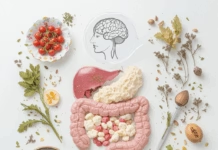
Mood-boosting: support better gut health and brain function.
Muscle-building: contain all essential amino acids when combined smartly.
️ Top Plant-Based Protein Sources for 2026
Let’s explore the most powerful, accessible, and nutrient-dense sources available this year:
1. Lentils (18g protein per cup)
Affordable, versatile, and full of fiber.
Perfect for soups, salads, or vegan patties.
Pro Tip: Combine lentils with rice or quinoa for complete amino acid coverage.
2. Chickpeas (15g per cup)
Also known as garbanzo beans — great for hummus, curries, or roasted snacks.
Rich in iron and B vitamins, supporting energy and muscle recovery.
3. Tofu & Tempeh (20–25g per serving)
Classic soy-based proteins that are complete in amino acids.
They absorb flavor easily and fit into stir-fries, tacos, or bowls.
4. Quinoa (8g per cup)
A pseudo-grain that’s actually a complete protein.
Contains all nine essential amino acids, plus magnesium and fiber.
5. Edamame (17g per cup)
Young soybeans — excellent snack or salad topping.
Supports recovery and keeps you feeling full longer.
6. Chia & Hemp Seeds (10–12g per serving)
Tiny but mighty — full of omega-3s, protein, and minerals.
Perfect for smoothies, oatmeal, or sprinkled on yogurt.
7. Seitan (25g per serving)
Made from wheat gluten, it mimics meat texture and packs serious protein.
⚠️ Note: Avoid if gluten-sensitive.
8. Green Peas (9g per cup)
Surprisingly protein-rich and excellent in soups or purées.
A common base for plant-based protein powders in 2026.
How Much Protein Do You Really Need?
The general recommendation for active adults is 1.6–2.0 grams of protein per kilogram of body weight per day.
That means if you weigh 70kg (154 lbs), you need around 110–140g of protein daily.
With smart combinations like legumes + grains + seeds, hitting your target becomes effortless — even without animal products.
Example Combo:
Breakfast: chia pudding + almond butter
Lunch: quinoa & lentil salad
Snack: hummus with veggies
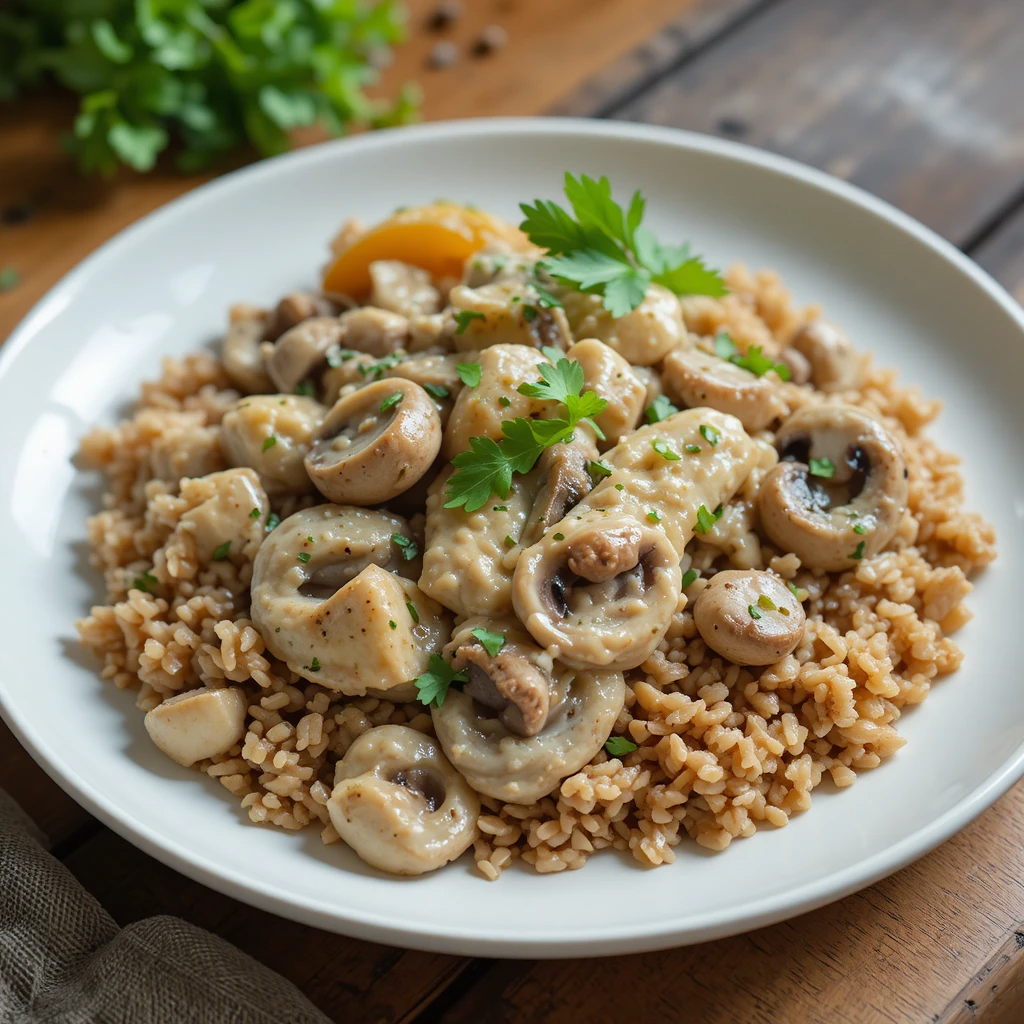
Dinner: tofu stir-fry with brown rice
The Science Behind Plant Protein and Muscle Growth
Research in 2025–2026 has shown that muscle synthesis depends on total protein intake and amino acid balance, not the source.
When plant-based diets are properly balanced, athletes can achieve equal muscle mass gains as omnivores.
Key tip: distribute protein evenly throughout the day (20–30g per meal) for maximum absorption.
Sample Daily Plant-Based Meal Plan (High-Protein)
Breakfast:
Overnight oats with chia seeds, almond milk, and peanut butter (25g protein)
Lunch:
Lentil and quinoa bowl with roasted vegetables (30g protein)
Snack:
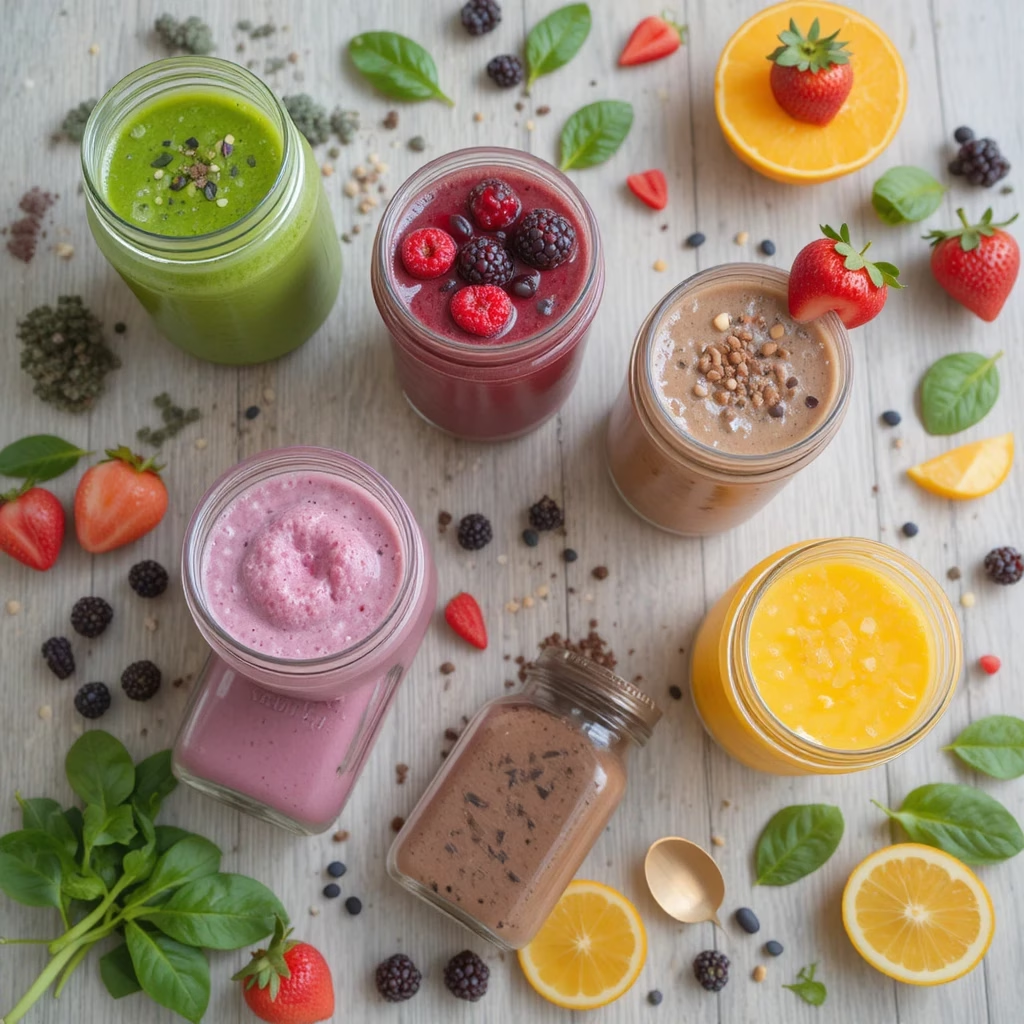
Protein smoothie with pea protein, banana, and spinach (25g protein)
Dinner:
Tofu stir-fry with brown rice and sesame seeds (35g protein)
The Future of Plant-Based Eating (2026 & Beyond)
The future of food is shifting toward sustainability and personalization.
In 2026, expect to see:
High-tech fermented plant proteins with enhanced amino acid profiles
AI-powered nutrition apps optimizing vegan diets
Affordable plant-based meats with clean, natural ingredients
Plant-based living isn’t just better for your body — it’s a step toward a healthier planet.
Conclusion
Plant-based protein is more than a fitness trend — it’s a revolution in how we fuel our bodies.
With the right combinations, you can build muscle, stay energized, and protect your health without ever touching meat.
Your strength doesn’t come from animal products — it comes from consistency, balance, and mindful nutrition.
So grab your lentils, your quinoa, and your blender — and fuel your next workout the plant-powered way.