
Discover the latest research on fasting for fat loss, longevity, and mental clarity.
Intermittent fasting (IF) isn’t new — it’s one of humanity’s oldest health practices. But in 2026, new scientific breakthroughs are changing how we understand fasting and its impact on the body.
Once seen as just a weight-loss trend, fasting is now recognized as a powerful metabolic and cellular therapy that improves longevity, mental clarity, and overall wellness.
From CEOs to elite athletes, millions are now adopting personalized fasting routines — powered by wearable health trackers and AI-based nutrition plans.
So, what’s really changed in 2026? Let’s dive deep into the modern science of fasting — what works, what doesn’t, and how you can make it part of your healthiest lifestyle yet.
The New Science Behind Intermittent Fasting
Recent studies published between 2024–2026 show that fasting does more than just burn fat — it activates a cellular rejuvenation process known as autophagy.
This process removes damaged cells, reduces inflammation, and improves brain function.
Key benefits now supported by research include:
⚡ Faster Fat Metabolism: Fasting enhances the body’s ability to burn stored fat efficiently.
Cellular Repair: Promotes autophagy and mitochondrial health.
♀️ Improved Mental Focus: Fasting triggers brain-derived neurotrophic factor (BDNF), boosting cognitive function.
❤️ Better Heart Health: Lowers blood sugar and cholesterol.
⏰ Longevity: Supports gene expression linked to anti-aging.
Scientists now believe fasting isn’t just a diet — it’s a biological rhythm reset.
Popular Fasting Methods in 2026
Different fasting methods work for different goals. Here are the most effective and flexible approaches today:
1. 16:8 Method (Time-Restricted Eating)
Fast for 16 hours, eat within an 8-hour window (e.g., 12 p.m.–8 p.m.).
Best for beginners and those seeking steady energy and mild fat loss.
2. 18:6 or 20:4 Advanced Protocols
Ideal for experienced fasters.
Shorter eating windows amplify fat-burning and autophagy.
3. 5:2 Method
Eat normally for five days, and consume 500–600 calories on two non-consecutive days.
Helps improve insulin sensitivity and maintain muscle.
4. Circadian Rhythm Fasting
Aligns eating windows with daylight hours (e.g., 8 a.m.–6 p.m.).
Supports natural hormone balance and better sleep.
5. The New “Smart Fast” Trend (2026 Edition)
Thanks to wearable technology, fasting is now personalized.
Smart devices track blood glucose, ketones, and cortisol levels — allowing people to adjust fasting windows based on real-time data.
Step-by-Step Guide to Start Fasting Safely
If you’re new to fasting, the goal is progress — not perfection.
Here’s how to begin your fasting journey intelligently:
Step 1: Choose Your Window
Start with a 12:12 schedule — 12 hours of fasting, 12 hours of eating — and gradually increase to 16:8 as your body adapts.
Step 2: Stay Hydrated
Drink 2–3 liters of water daily.
Unsweetened herbal teas and black coffee are allowed during the fast.
Step 3: Focus on Nutrient Density
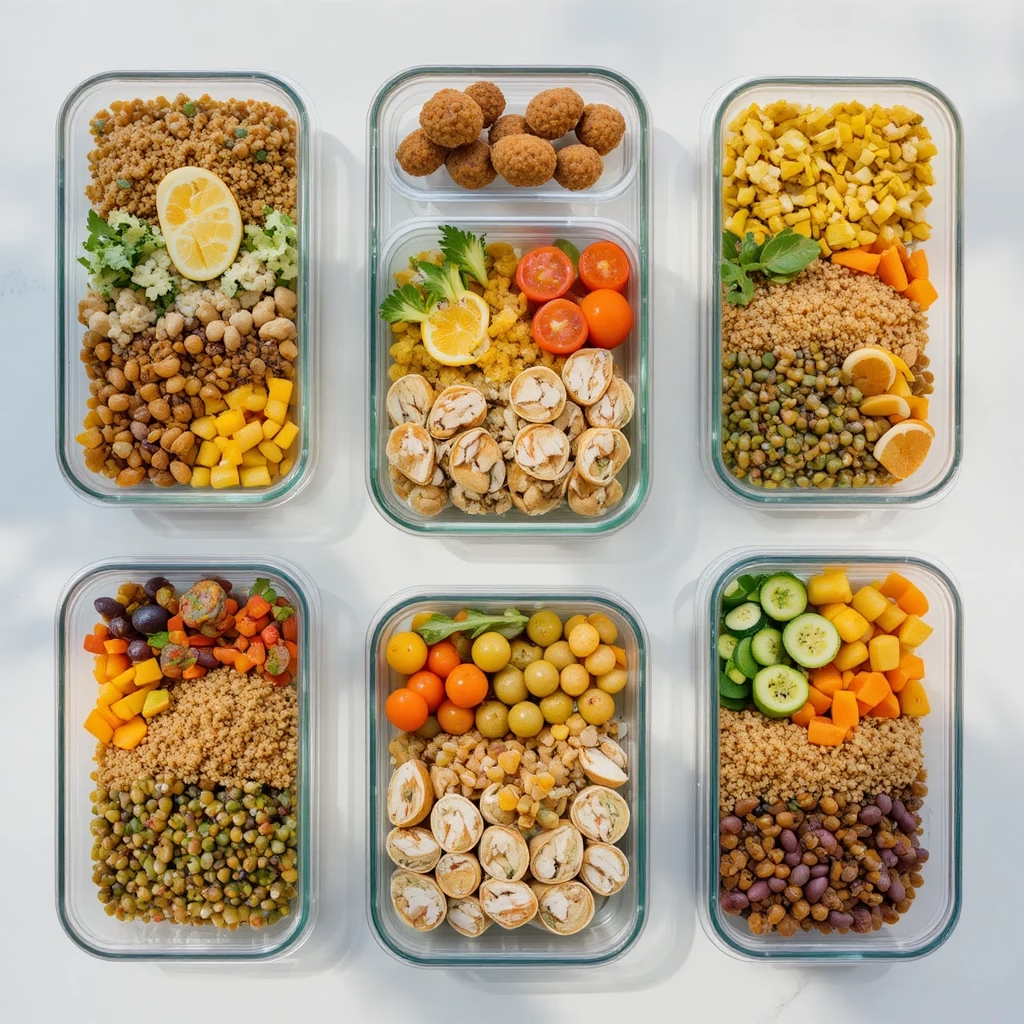
Break your fast with whole foods: lean protein, healthy fats, vegetables, and complex carbs.
Avoid sugar spikes and processed meals — they undo fasting benefits.
Step 4: Listen to Your Body
Mild hunger is normal, but dizziness or fatigue means it’s time to adjust.
Fasting is a flexible tool, not a punishment.
Step 5: Prioritize Sleep and Stress Control
Your body regenerates best when you’re well-rested.
Combine fasting with meditation, light walks, or yoga for maximum results.
⚙️ Fasting Myths Debunked (2026 Edition)
❌ Myth 1: Fasting slows your metabolism.
✅ Fact: Short-term fasting actually boosts metabolism through increased norepinephrine activity.
❌ Myth 2: You’ll lose muscle mass.
✅ Fact: Fasting combined with adequate protein intake preserves lean mass.
❌ Myth 3: Women shouldn’t fast.
✅ Fact: Women can fast safely with modified windows (12–14 hours) — supporting hormone balance and energy.
Conclusion
In 2026, intermittent fasting is more than a wellness trend — it’s a scientifically proven lifestyle tool for health, longevity, and performance.
It teaches discipline, awareness, and respect for your body’s natural rhythms.
Whether your goal is fat loss, focus, or longevity, fasting can help you reclaim control over your time, appetite, and energy.
Start simple. Stay consistent.
And let your body remind you what true balance feels like.