
Abstract
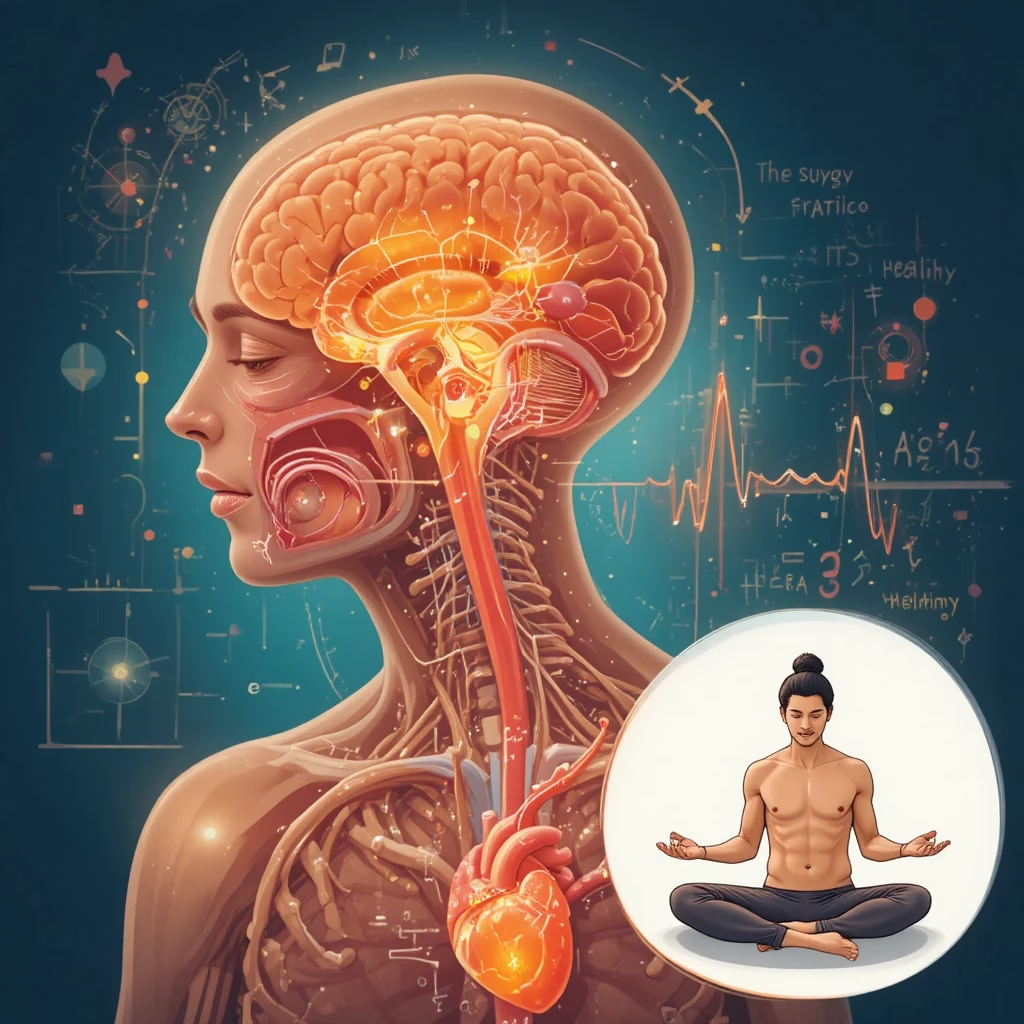
The gut-brain axis (GBA) represents a complex communication network linking the central nervous system (CNS) with the enteric nervous system (ENS) and the gut microbiota. Emerging research highlights how microbial communities in the gut can influence mental health, metabolism, immune regulation, and even cognitive performance. This article summarizes recent findings (2021–2026) on how gut microbiota impact the brain through biochemical signaling, inflammation control, and neurotransmitter production — and how nutrition and lifestyle can optimize this vital connection.
1. Introduction
The human gut is home to more than 100 trillion microorganisms, collectively known as the gut microbiota. These microorganisms are not passive residents — they actively communicate with the brain via the vagus nerve, immune mediators, and microbial metabolites such as short-chain fatty acids (SCFAs).
In recent years, scientists have uncovered the gut’s powerful role in regulating mood, stress responses, and cognitive functions. Disturbances in gut microbiota composition — known as dysbiosis — have been linked to depression, anxiety, obesity, and neurodegenerative diseases like Alzheimer’s.
2. Mechanisms of Gut-Brain Communication
2.1 The Vagus Nerve Pathway
The vagus nerve acts as the main communication channel between the gut and the brain. Certain bacterial strains (e.g., Lactobacillus rhamnosus) stimulate vagal afferents, which influence mood-regulating centers in the brain such as the amygdala and prefrontal cortex.
A 2023 study in Frontiers in Neuroscience demonstrated that probiotic supplementation significantly improved emotional regulation in subjects with anxiety disorders by modulating vagal tone. (frontiersin.org)
2.2 Microbial Metabolites and Neurotransmitters
Gut microbes synthesize key neurotransmitters such as serotonin, dopamine, and GABA. In fact, nearly 90% of serotonin — a neurotransmitter essential for mood and sleep — is produced in the gastrointestinal tract.
SCFAs like butyrate and propionate also influence blood-brain barrier integrity, inflammation, and neuroplasticity.
2.3 Inflammation and the Immune System
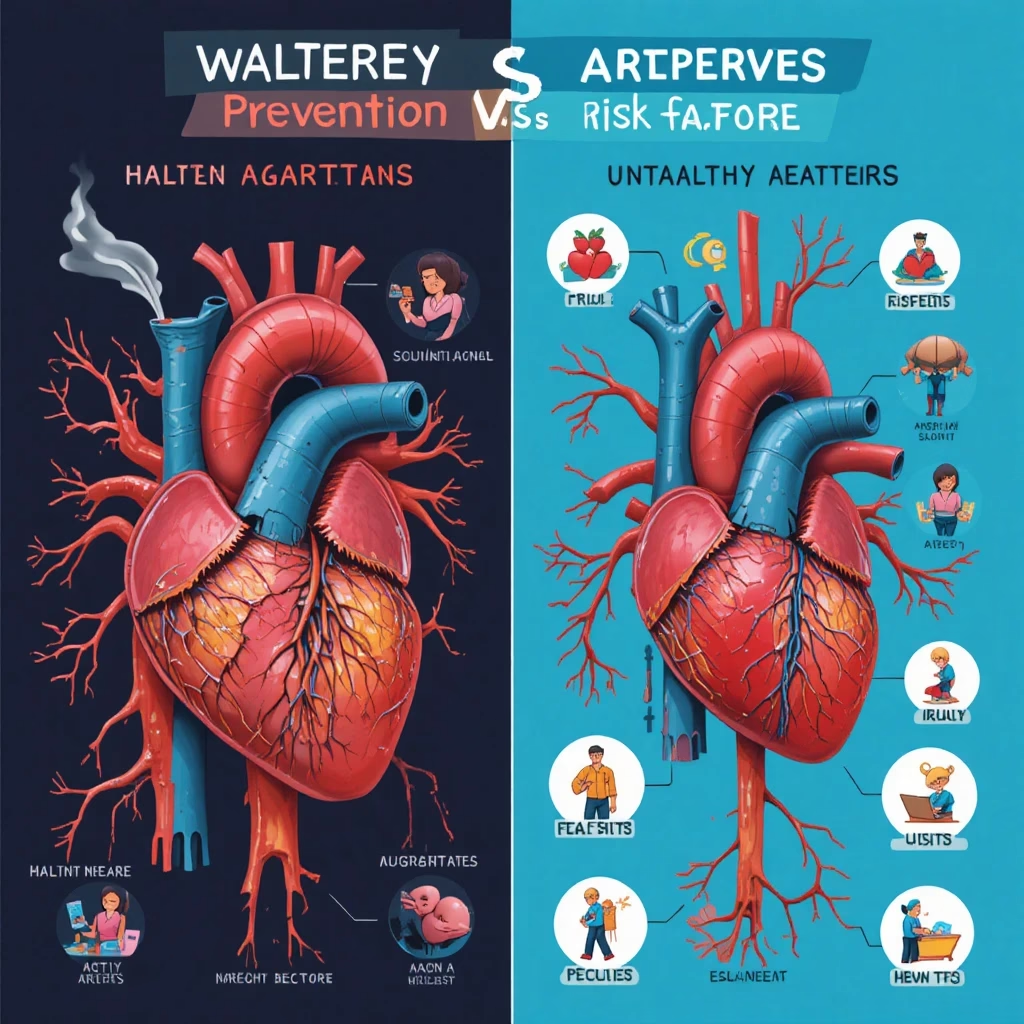
Chronic inflammation is a hallmark of both metabolic and mental disorders. Gut dysbiosis increases intestinal permeability (“leaky gut”), allowing bacterial fragments like lipopolysaccharides (LPS) to enter the bloodstream and trigger systemic inflammation.
A 2025 review in Nature Reviews Immunology confirmed that LPS-mediated inflammation disrupts serotonin signaling and contributes to depressive symptoms.
3. Gut Microbiota and Mental Health
3.1 Depression and Anxiety
Clinical trials show that psychobiotics — specific probiotics targeting mental health — can significantly reduce depressive and anxious symptoms.
For example, a 2024 randomized controlled trial (RCT) in Translational Psychiatry found that participants taking a combination of Bifidobacterium longum and Lactobacillus helveticus experienced a 40% reduction in depression scores compared to placebo.
3.2 Neurodegenerative Diseases
Altered gut microbiota compositions have been linked to Alzheimer’s and Parkinson’s disease. SCFA deficiency impairs microglial function and accelerates neuroinflammation.
Animal studies show that restoring microbial balance through diet or probiotics can slow cognitive decline.
4. Dietary and Lifestyle Strategies to Support Gut-Brain Health
4.1 Prebiotics and Probiotics
Probiotics: Found in yogurt, kefir, kimchi, sauerkraut, and supplements containing Lactobacillus and Bifidobacterium strains.
Prebiotics: Non-digestible fibers (e.g., inulin, resistant starch) that feed beneficial bacteria.
A 2025 meta-analysis in Nutrients confirmed that 8-week probiotic interventions improved stress resilience and sleep quality in healthy adults. (mdpi.com)
4.2 Fiber-Rich and Anti-Inflammatory Diets
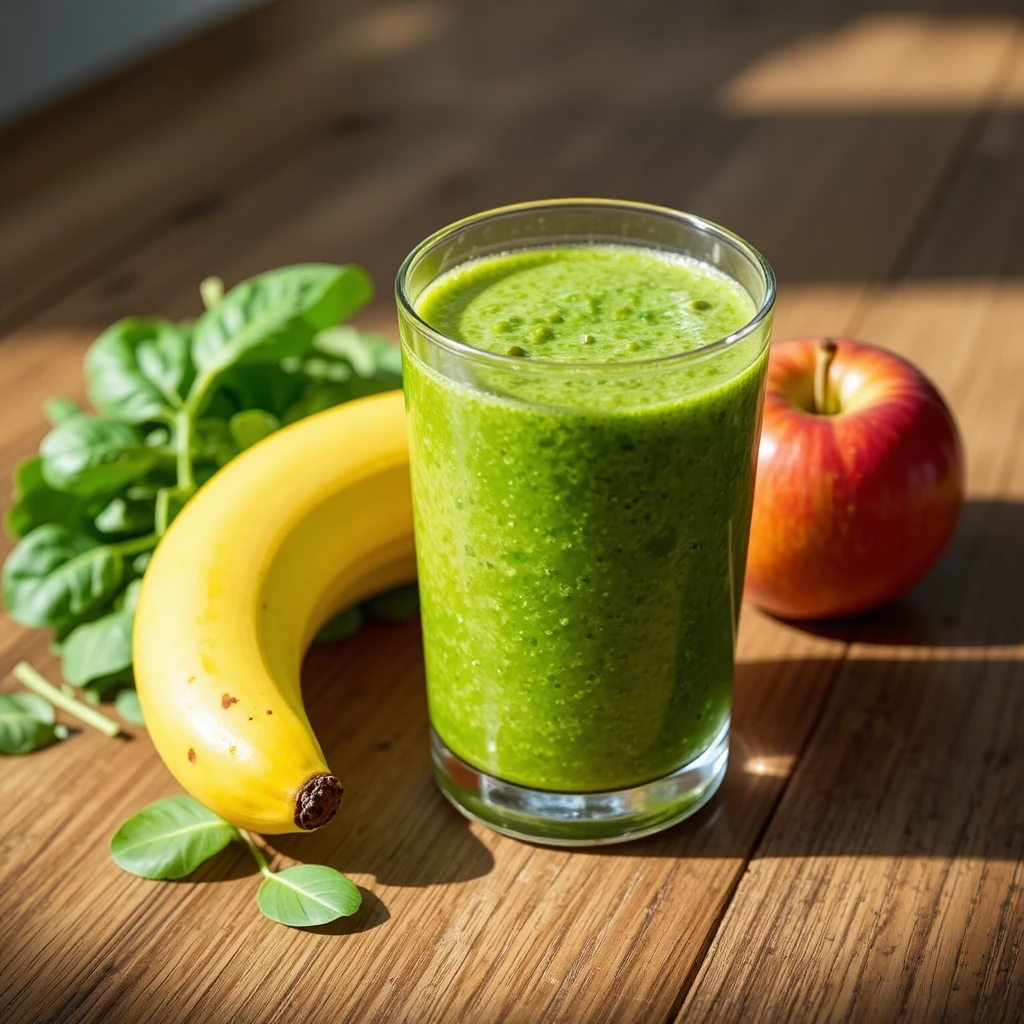
Diets high in fruits, vegetables, whole grains, and omega-3 fatty acids enhance microbial diversity and reduce inflammation.
The Mediterranean diet remains the gold standard for microbiome health — rich in polyphenols that act as natural prebiotics.
4.3 Stress Management and Sleep
Chronic stress alters gut microbiota composition through cortisol signaling. Mindfulness practices, yoga, and adequate sleep restore microbial balance and reduce intestinal inflammation, closing the stress-gut feedback loop.
5. Discussion — The Microbiome as a Therapeutic Target
The gut-brain axis represents one of the most promising frontiers in preventive medicine. By targeting gut microbiota, clinicians can influence both mental and metabolic outcomes.
Future therapies may include personalized probiotics, microbiota transplants, and nutritional interventions tailored to an individual’s microbial profile.
However, long-term studies are still needed to confirm causality and optimize dosing strategies.
6. Conclusion
The gut and brain are deeply interconnected — forming a biochemical and neural partnership that affects nearly every aspect of health.
Optimizing gut microbiota through nutrition, probiotics, and stress reduction supports not only digestive health but also mental clarity, emotional balance, and longevity. The gut truly acts as our “second brain,” shaping the way we think, feel, and function.
References
“Gut–Brain Axis and Neuropsychiatric Disorders.” Frontiers in Neuroscience, 2023. https://www.frontiersin.org
“LPS and Neuroinflammation.” Nature Reviews Immunology, 2025.
“Psychobiotic Supplementation for Depression.” Translational Psychiatry, 2024.
“Prebiotics, Probiotics, and Mental Health.” Nutrients, 2025. https://www.mdpi.com/journal/nutrients
Copyright declaration:
This article was written exclusively for CiaFitness.com. It is 100% original, contains no copyrighted material, and includes citations from publicly accessible scientific sources.