
Introduction
Salt (sodium chloride) is composed of about 40 % sodium and 60 % chloride, and while it enhances flavor, it also plays roles as a binder and stabilizer in foods. The Nutrition Source But because sodium influences many bodily systems—especially blood pressure regulation—understanding its effects is vital for health.
Why Sodium Matters
Physiological Roles
Sodium is crucial as an electrolyte: it helps transmit nerve signals, regulates muscle contraction, and maintains fluid balance within and between cells. The kidneys work to maintain proper sodium levels by excreting any excess. When too much sodium accumulates in the blood, the body holds on to water to dilute it, increasing blood volume and, in turn, raising blood pressure.
Average Intake vs. Recommended Levels
In many Western countries, average sodium consumption far exceeds recommended limits. For instance, Americans take in around 3,400 mg per day on average—well above the typical guideline of 2,300 mg (about one teaspoon of salt) per day. Certain populations, including older adults, people of African descent, and those with high blood pressure, are often advised to aim for an even lower threshold (e.g. 1,500 mg) because they are more salt-sensitive.
Salt sensitivity refers to how much an individual’s blood pressure changes in response to changes in sodium intake. About 60 % of people with hypertension show a strong blood pressure response to sodium (i.e. a rise of 5 mm Hg or more) when switching from low to high sodium diets.
Health Risks of Excess Sodium
High Blood Pressure and Cardiovascular Disease
The most well-established risk associated with high sodium intake is elevated blood pressure. Over time, the strain on blood vessel walls and the heart can increase the likelihood of heart attack, stroke, and other cardiovascular diseases.
Because sodium causes the body to retain water, excess consumption counteracts some classes of blood pressure medication (like diuretics or vasodilators), making them less effective.
Public Health Concerns & Regulation
Much of the sodium we ingest comes from processed and prepared foods, not from sprinkling salt at the table. In many countries, there is little regulatory limit on sodium in foods, as salt has long held the status of “generally recognized as safe” (GRAS).
Recognizing the health burden of excessive sodium, public health agencies and food industry groups are exploring voluntary or regulated sodium reductions in processed foods. In the U.S., for example, the FDA has published voluntary sodium‐reduction targets to encourage gradual lowering of sodium in packaged and prepared foods.
Some analysts caution that reducing sodium too sharply could carry risks in certain populations, but the prevailing view supports incremental reductions rather than abrupt change.
Practical Tips: How to Reduce Sodium Intake
Identify Major Sources
Roughly 70 % of dietary sodium in many Western diets comes from processed, prepared, or restaurant foods—not just from the salt shaker. Even items that don’t “taste salty,” like bread or cereals, may contribute significantly to intake.
The “Salty Six” foods that often account for a large portion of sodium intake are:
Breads and rolls
Cold cuts and cured meats
Pizza
Poultry (including processed versions)
Soups
Sandwiches/fast-food items
Simple Strategies to Cut Sodium
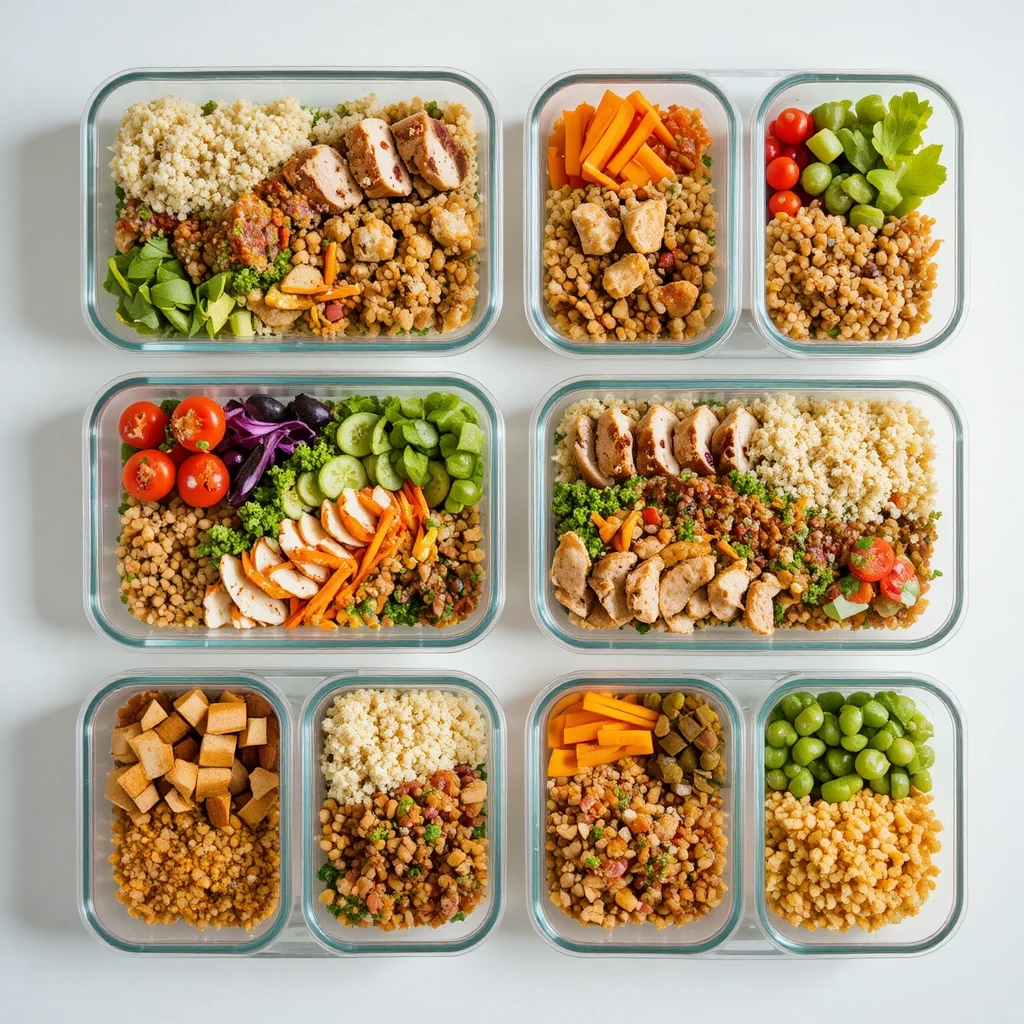
Cook more at home using whole foods and fresh ingredients, rather than relying on processed or restaurant meals.
Use herbs, spices, citrus, and other flavorings instead of relying heavily on salt. Lemon or citrus helps activate similar taste receptors, allowing less salt without losing flavor.
Choose low- or reduced-sodium options: many food labels offer versions with less sodium.
Check nutrition labels carefully. Words like “low sodium,” “reduced sodium,” or “less sodium” can help guide choices—but always look at the actual mg per serving.
Gradually decrease salt use—taste buds adapt over time. Research suggests that reducing sodium by about 30% may not be noticeable to many consumers.
Monitor portion sizes: bigger portions often mean more sodium. Cutting down on amount eaten naturally lowers sodium intake.
Include more potassium-rich foods (fruits, vegetables) in your diet. Although potassium doesn’t remove sodium, it helps blunt sodium’s impact on blood pressure.
Limitations & Considerations
Individual responses to sodium vary due to genetics, kidney function, age, and baseline health (e.g., hypertension or kidney disease).
Observational studies dominate the evidence base; while associations are strong, it is harder to prove causation in all contexts.
Cultural preferences and culinary traditions play roles in salt use. Dietary recommendations must often be adapted to different regional cuisines and tastes.
Sudden large reductions in sodium may not be appropriate for every person—especially those with certain illnesses—which is why gradual change and medical guidance are preferred.
Conclusion
Salt (via its sodium component) is a double-edged nutrient: essential in small amounts, yet potentially harmful when consumed in excess. Because so much of our sodium comes from processed and prepared foods, reducing sodium intake requires awareness, label-reading, and thoughtful substitution of flavors. While debates remain about the precise safe thresholds for all individuals, the preponderance of evidence supports moderate sodium reduction as a public health target to reduce high blood pressure and cardiovascular disease.