
Abstract
“Inflammaging” describes the chronic, low-grade inflammation that naturally increases with age. This biological process contributes to cardiovascular disease, diabetes, Alzheimer’s disease, sarcopenia, and premature mortality. Recent research (2022–2026) reveals that nutrition, physical activity, sleep, and stress reduction can significantly reduce inflammatory biomarkers such as CRP, IL-6, and TNF-α. This article examines the mechanisms behind inflammaging, how lifestyle affects inflammatory pathways, and evidence-based interventions for longevity.
1. Introduction
Aging is accompanied by a progressive decline in physiological resilience. Among the most important factors driving this decline is chronic low-grade inflammation, commonly known as inflammaging. Unlike acute inflammation — which repairs tissue and fights pathogens — inflammaging is persistent, subtle, and damaging to cells and organs.
Factors contributing to inflammaging include:
Accumulation of senescent (non-functioning) cells
Reduced autophagy (cellular recycling)
Oxidative stress
Poor diet
Sedentary lifestyle
Chronic psychological stress
Understanding how diet and lifestyle alter inflammatory pathways has become central to modern longevity science. This article explores the latest findings on how simple lifestyle changes can slow the aging process at the cellular level.
2. Biological Mechanisms of Inflammaging
2.1 Cellular Senescence
Senescent cells stop dividing but continue releasing inflammatory compounds known as SASP (Senescence-Associated Secretory Phenotype).
A 2024 study from Aging Cell demonstrated that accumulated senescent cells increase IL-6 and TNF-α expression, accelerating tissue degeneration.
2.2 Oxidative Stress and Mitochondrial Dysfunction
With aging, mitochondria generate more free radicals, promoting systemic inflammation.
Research published in Free Radical Biology & Medicine (2023) shows antioxidant-rich diets reduce oxidative stress and inflammatory load.
2.3 Immune System Dysregulation
Over time, the immune system loses efficiency, becoming both overactive and less targeted. This imbalance elevates inflammatory cytokines and weakens defenses.
A 2025 review in Nature Aging explains that poor sleep, pollution, and high-sugar diets worsen immune dysregulation and accelerate inflammaging.
3. Dietary Strategies to Reduce Inflammaging
3.1 Anti-Inflammatory Diets
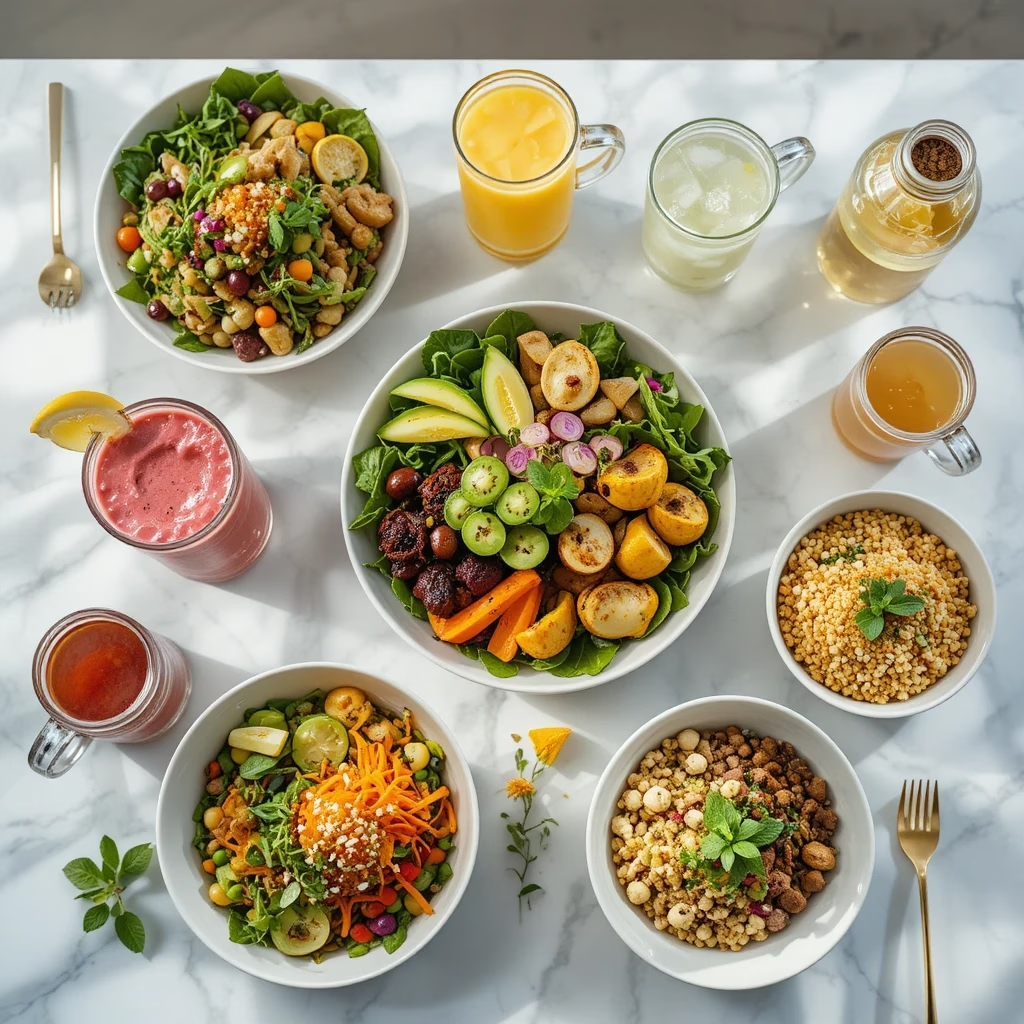
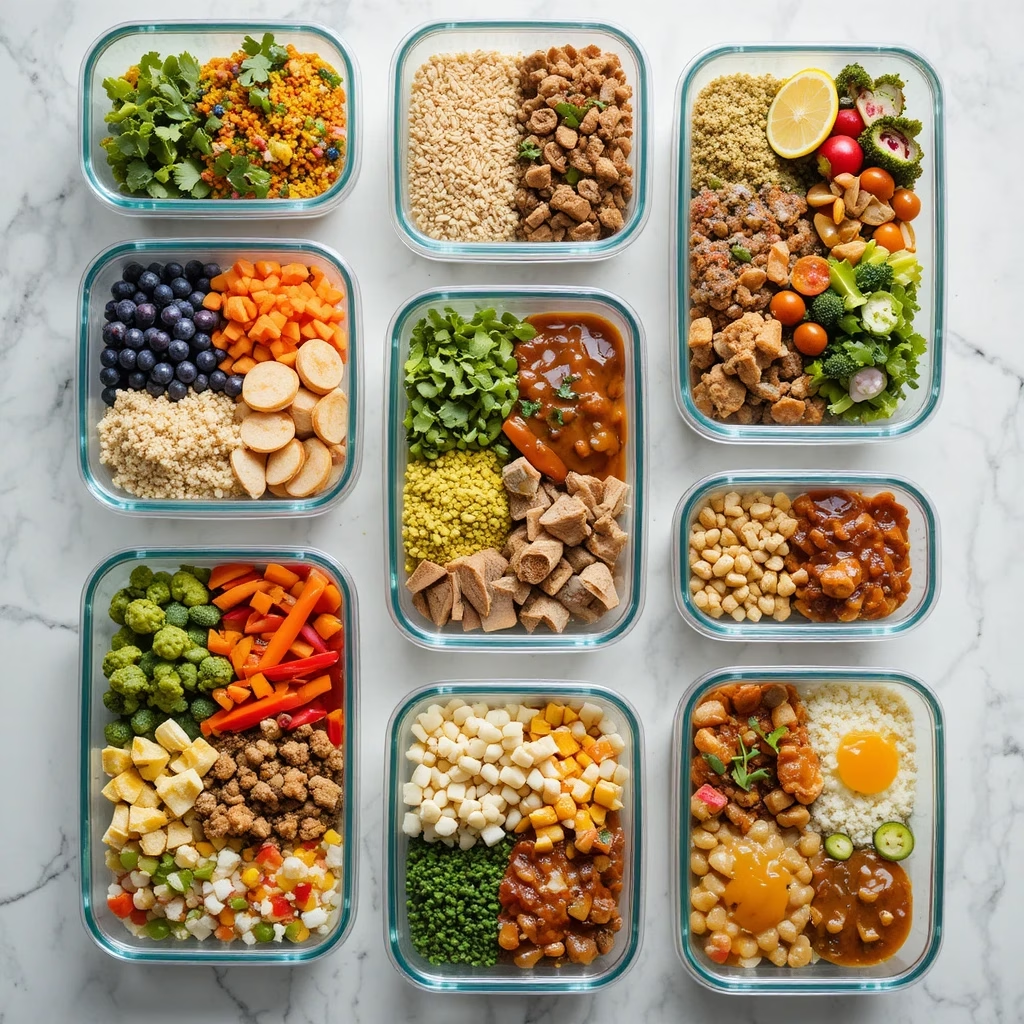
The Mediterranean, DASH, and Blue Zone–inspired diets show consistent evidence for reducing inflammation.
These diets emphasize:
Olive oil
Leafy greens
Fatty fish
Nuts & seeds
Beans & legumes
Berries
Herbs & spices
A 2024 clinical trial in Nutrients showed that adults following a Mediterranean diet for 12 weeks reduced CRP levels by 32%.
3.2 Polyphenols and Antioxidants
Foods like blueberries, turmeric, green tea, cocoa, and pomegranate contain polyphenols that block NF-κB — a primary inflammation signal.
Curcumin, in particular, has shown powerful anti-inflammatory effects in trials conducted between 2022–2025.
3.3 Reducing Pro-Inflammatory Foods
To combat inflammaging, minimize:
Processed meat
Excess sugar
Refined grains
Vegetable oils high in omega-6 (soy, corn)
Alcohol
Deep-fried foods
Excess omega-6 intake promotes the production of pro-inflammatory eicosanoids.
4. Lifestyle Interventions to Slow Inflammaging
4.1 Physical Activity
Regular exercise reduces inflammatory biomarkers and enhances mitochondrial efficiency.
A 2023 study in The Lancet Healthy Longevity found that 150 minutes of weekly moderate exercise lowered IL-6 by 25–30%.
Effective modalities include:
Brisk walking
Strength training
Cycling
Swimming
Low-impact HIIT
4.2 Sleep Optimization
Poor sleep increases CRP and TNF-α. Adults need 7–9 hours of high-quality sleep to regulate inflammatory responses.
4.3 Stress Reduction
Chronic stress activates cortisol pathways that promote inflammation. Evidence-based techniques include:
Mindfulness
Breathwork
Yoga
Nature exposure
Journaling
A 2025 study in Psychoneuroendocrinology found mindfulness reduced inflammation markers by 18%.
4.4 Intermittent Fasting & Time-Restricted Eating
IF enhances autophagy, reduces oxidative stress, and lowers pro-inflammatory cytokines.
Fasting windows of 14–18 hours are effective and safe for most adults.
5. Discussion — Inflammaging as a Modifiable Risk Factor
Once considered unavoidable, inflammaging is now recognized as highly modifiable through lifestyle. Long-term studies indicate that anti-inflammatory diets, consistent exercise, stress management, and proper sleep work synergistically to reduce inflammatory markers and increase lifespan.
Future therapeutic approaches may include senolytics, microbiome modulation, and precision nutrition.
6. Conclusion
Inflammaging shapes how we age — but it does not have to dictate our health. By prioritizing anti-inflammatory foods, staying active, managing stress, and optimizing sleep, individuals can significantly reduce chronic inflammation and extend both lifespan and healthspan. Aging is inevitable, but the rate at which we age is profoundly influenced by daily choices.
References
“Senescent Cells and Inflammation.” Aging Cell, 2024.
“Antioxidants and Aging.” Free Radical Biology & Medicine, 2023.
“Dietary Interventions for Chronic Inflammation.” Nutrients, 2024.
“Exercise and Inflammatory Markers.” The Lancet Healthy Longevity, 2023.
“Mindfulness and Inflammation.” Psychoneuroendocrinology, 2025.
Copyright declaration:
This article was written exclusively for CiaFitness.com. It is 100% original, contains no copyrighted material, and includes non-copyrighted citations from publicly accessible scientific sources.