
A realistic, sustainable, and science-backed guide to navigating menopausal changes through simple daily habits
Introduction
Entering menopause can feel like your body suddenly changed overnight — weight gain, mood swings, fatigue, hot flashes, slower metabolism, and stubborn belly fat are some of the most common complaints among women over 45.
The truth is that hormonal shifts during perimenopause and menopause can make traditional diets and intense gym workouts seem impossible. But here’s the good news: you don’t need a strict diet or a gym membership to feel better, lose weight gradually, and regain your vitality.
Your body at 45+ responds best to simple, consistent habits — not restrictive rules. This guide breaks down the most effective and sustainable diet and workout strategies for menopausal women, backed by science and designed for real life.
No dieting.
No gym.
No extremes.
Just healthy routines that work with your hormones — not against them.
Understanding Menopause & Metabolism
During menopause, levels of estrogen, progesterone, and testosterone naturally decline. These hormones influence:
fat distribution
energy levels
muscle mass
sleep quality
appetite
mood
insulin sensitivity
As estrogen decreases, the body stores more fat — especially around the abdomen — and muscle mass gradually reduces. This combination is what makes many women feel like “nothing works anymore.”
But the key is not doing more — it’s doing what works specifically for a hormonal body.
Simple Nutrition Tips for Women 45+ (No Dieting Required)
A menopausal-friendly eating style focuses on balance, nourishment, and hormone support, not restriction.
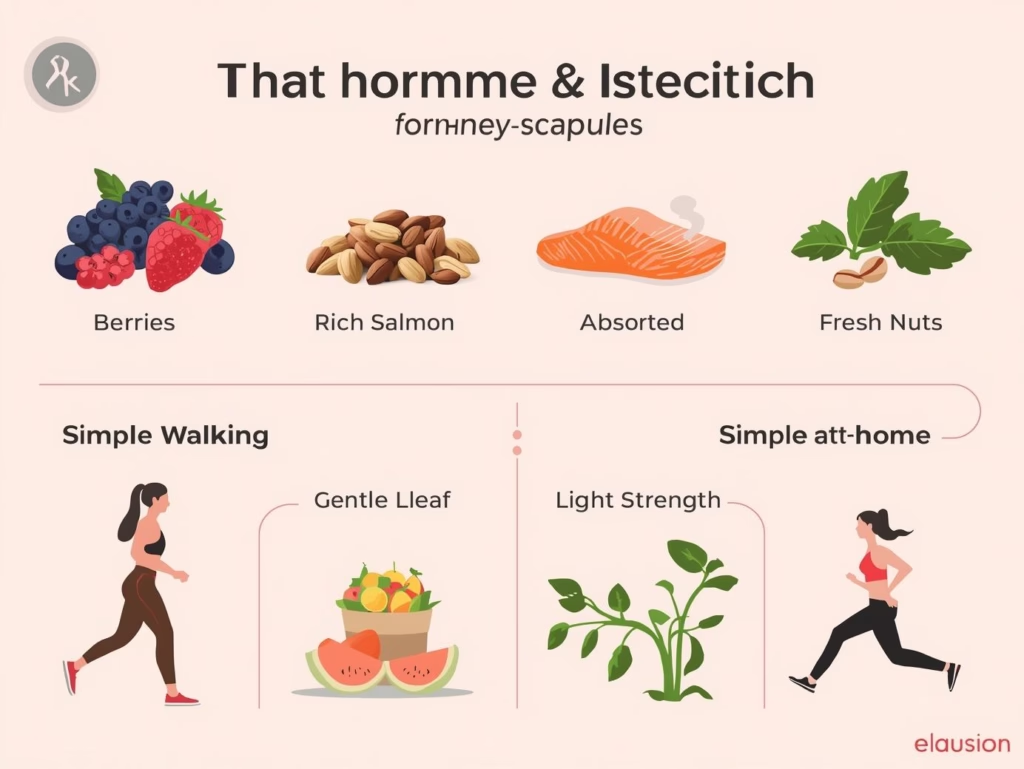
1. Eat Protein at Every Meal
Protein helps maintain muscle, supports fat-burning, and keeps you full longer.
Examples:
eggs
Greek yogurt
beans
fish
chicken
tofu
Aim for 25–30g of protein per meal.
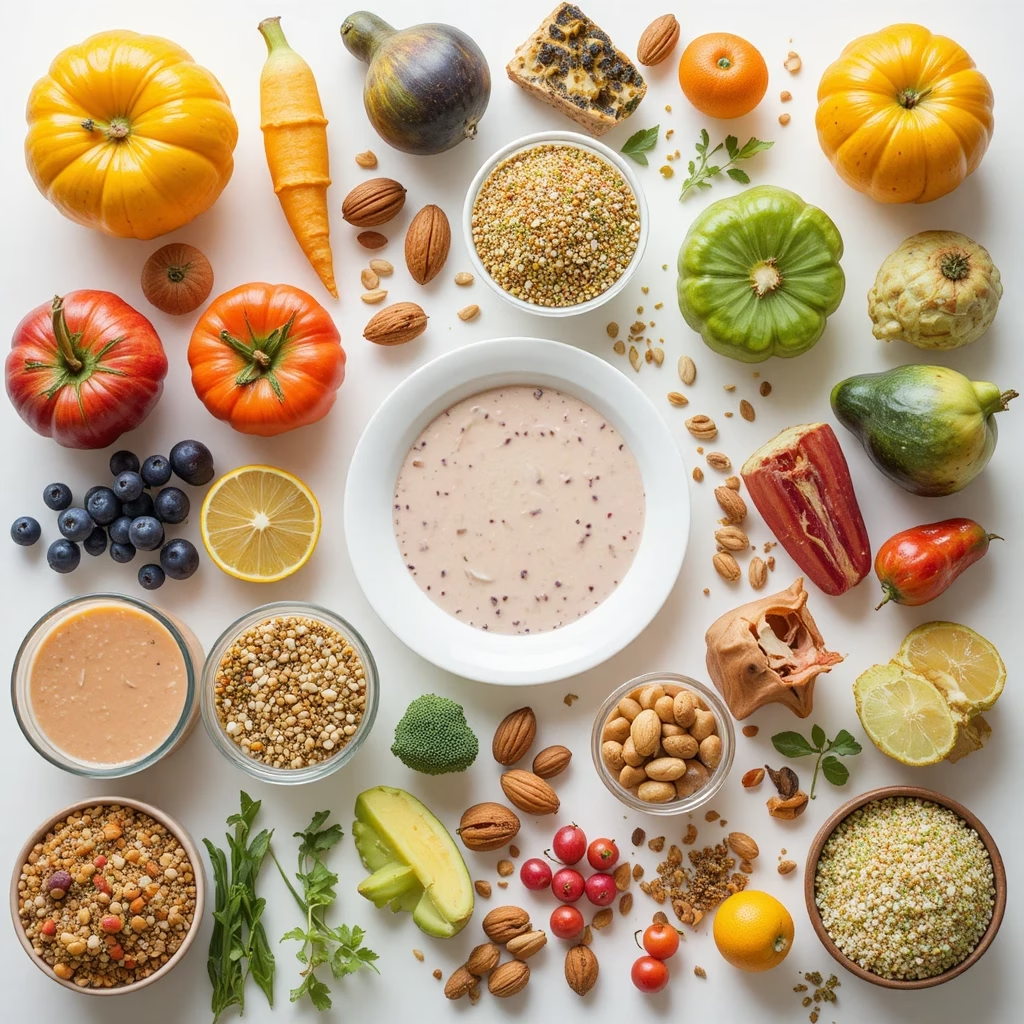
2. Add Colorful Vegetables (Fiber = Hormone Support)
Fiber helps stabilize blood sugar and improves digestion — crucial during menopause.
Great options:
leafy greens
broccoli
peppers
berries
carrots
3. Choose Healthy Fats for Hormonal Balance
Healthy fats reduce inflammation and support hormones naturally.
Best sources:
avocado
nuts
seeds
olive oil
salmon
4. Reduce Sugar (But No Need to Eliminate It)
Sugar spikes cortisol and worsens menopause symptoms.
You don’t need a strict diet — simply make swaps like:
fruit instead of soda
dark chocolate instead of candies
honey instead of refined sugar
5. Hydration = Hot Flash Control
Dehydration intensifies fatigue and hot flashes.
Aim for 6–8 cups of water per day.
Easy At-Home Workouts for Women Entering Menopause
You don’t need a gym to stay active. In fact, home-based routines are often better for hormonal balance because they reduce stress and are easier to maintain.
1. Walking (20–30 minutes daily)
Walking supports:
fat loss
heart health
mood
joint mobility
It also lowers cortisol, which helps reduce belly fat.
2. Light Strength Training (2–3 times a week)
Muscle prevents weight gain and boosts metabolism.
Try simple exercises:
wall push-ups
chair squats
resistance bands
light dumbbells
Just 10–15 minutes makes a difference.
3. Yoga or Stretching (5–10 minutes)
Helps with:
stress reduction
flexibility
sleep
joint pain
A calm nervous system = easier weight control.
4. Daily Functional Movements
Small activities help maintain strength:
carrying groceries
climbing stairs
gardening
light housework
Movement is what counts — not intensity.
Lifestyle Tips That Make Menopause Easier
1. Prioritize Sleep
Sleep regulates hunger hormones.
Aim for 7–8 hours.
2. Reduce Alcohol
Alcohol increases belly fat and intensifies hot flashes.
3. Manage Stress
High cortisol = stubborn fat, mood swings, cravings.
Simple breathing exercises help.
Why This Works Without Diets or Gyms
The secret is hormonal alignment, not restriction.
When you support your body with protein, fiber, movement, sleep, and stress control:
metabolism stabilizes
fat-burning improves
mood becomes more balanced
cravings decrease
muscle mass improves
These changes generate natural, gradual weight loss.
References (Trusted Sources)
Harvard Health – Menopause and metabolism
https://www.health.harvard.edu/womens-health
NHS – Menopause lifestyle recommendations
https://www.nhs.uk/conditions/menopause/
Mayo Clinic – Exercise & menopause symptoms
https://www.mayoclinic.org
North American Menopause Society
https://www.menopause.org
Conclusion
Women over 45 don’t need extreme workouts or restrictive diets to feel strong, confident, and healthy.
By focusing on simple daily habits — gentle movement, balanced nutrition, hydration, sleep, and stress control — you can navigate menopause with more ease and energy than ever.
Your body is not failing you.
It’s evolving — and now you know exactly how to support it.