
Introduction
We’ve all been there — you get home after a long day, open the fridge, and realize you have nothing healthy ready to eat. The temptation to order takeout kicks in, and your nutrition goals quietly slip away.
That’s exactly why meal prepping has become a game-changer for anyone serious about health and consistency. It’s not just about saving time — it’s about building a sustainable habit that helps you eat smarter, spend less, and stay on track without stress.
The 7-Day Healthy Meal Prep Challenge is designed to help you create a system that works for your lifestyle. You’ll learn how to plan balanced meals, organize ingredients, and cook efficiently — all while avoiding food waste and decision fatigue.
Whether you’re a fitness enthusiast, a busy professional, or just someone looking to eat better, this challenge will help you reclaim your time and energy. Imagine opening your fridge each morning to find delicious, ready-to-eat meals waiting for you — no stress, no chaos, just health on autopilot.
Let’s dive into your 7-day plan to transform the way you cook, eat, and feel.
️ Step-by-Step 7-Day Meal Prep Challenge
Day 1: Plan Your Menu and Grocery List
The first step to success is planning.
Choose 3–4 breakfast ideas, 3 lunch/dinner combinations, and a few healthy snacks.
Think in themes — for example, “Mediterranean bowls,” “Asian-inspired stir-fries,” or “Protein-packed breakfasts.”
Create a grocery list categorized by sections (produce, grains, proteins, pantry).
Always check your fridge before shopping to avoid duplicates and waste.
Pro tip: Plan meals with overlapping ingredients (like quinoa, veggies, or chicken) — it saves money and cooking time.
Day 2: Cook Your Grains and Base Ingredients
Cooking staples in bulk is the backbone of any meal prep plan.
Prepare 2–3 grains: brown rice, quinoa, or couscous.
Boil eggs for quick protein snacks.
Roast or steam vegetables such as sweet potatoes, carrots, or broccoli.
Store each item in separate containers so you can mix and match during the week.
Pro tip: Add flavor without extra calories — use herbs, garlic, lemon juice, or spices instead of sauces.
Day 3: Prep Your Proteins
This is where your meals gain substance and satisfaction.
Grill or bake chicken breasts, tofu, or fish.
Cook lentils, chickpeas, or black beans for plant-based protein options.
Slice cooked proteins into portions and store in airtight containers.
Avoid over-seasoning now — you can customize flavors later in the week.
Pro tip: Marinate proteins overnight before cooking to save time and boost flavor.
Day 4: Build Balanced Meals
Now comes the fun part — assembly!
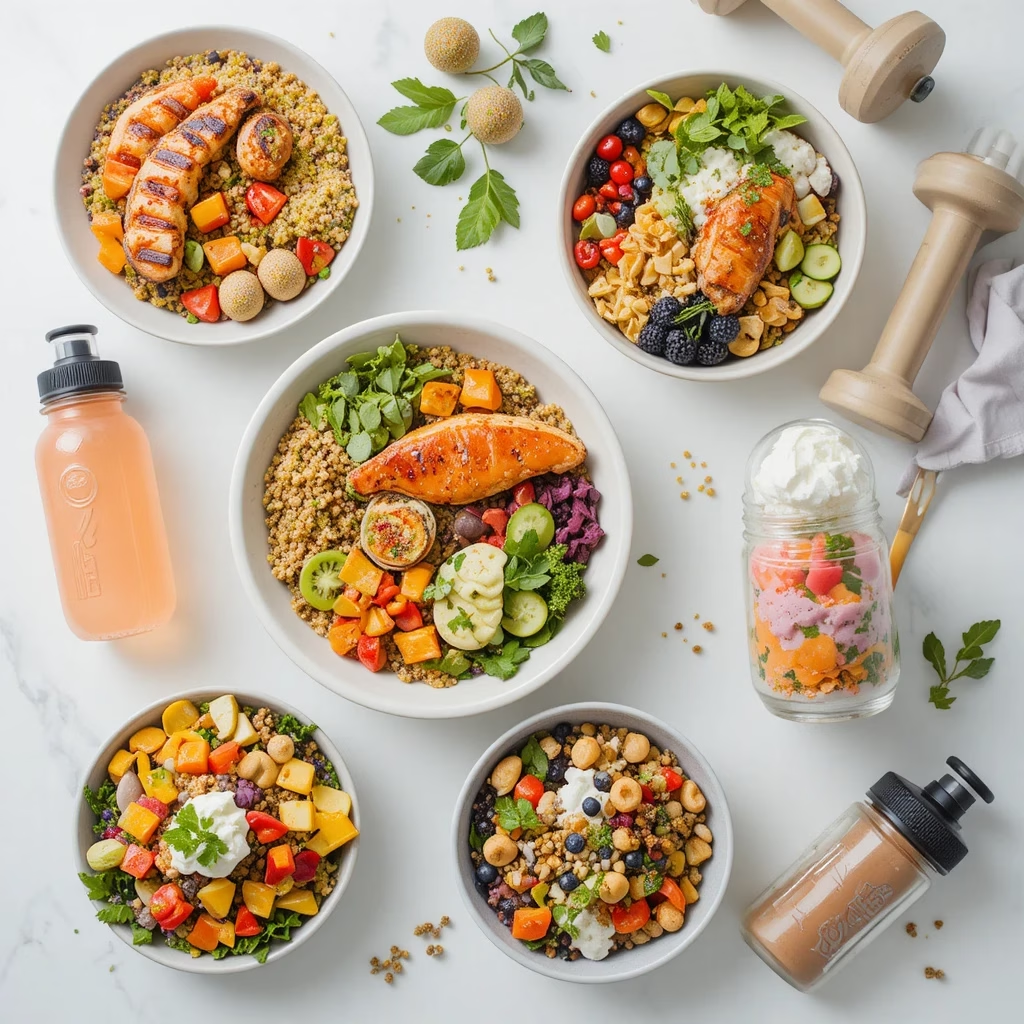
Combine a portion of grains, vegetables, and protein into reusable meal containers.
Add a healthy fat (avocado, olive oil, or seeds).
Keep dressings separate to avoid sogginess.
Label each container with the date and meal type (e.g., “Lunch – Wednesday”).
Pro tip: Use color — bright meals look more appetizing and motivate you to eat healthier.
Day 5: Add Breakfasts and Snacks
Don’t forget the small meals that keep your energy steady.
Prep overnight oats, chia puddings, or boiled eggs for breakfast.
Cut fruits and store in containers with lemon juice to keep them fresh.
Make snack packs: nuts, yogurt cups, or veggie sticks with hummus.
Pro tip: Portion snacks ahead of time to avoid overeating later.
Day 6: Evaluate and Adjust
By now, you’ve eaten your prepared meals for almost a week — what worked? What didn’t?
Check if your portions fit your appetite.
Note which meals you enjoyed most.
Adjust your plan for variety next week — try new sauces, grains, or proteins.
Pro tip: Keep your favorite 3 recipes as “core meals” to repeat regularly — simplicity builds consistency.
Day 7: Restock and Refresh
End your week with reflection and preparation.
Review your pantry and make a shopping list for next week.
Wash containers and prep base ingredients like grains or veggies again.
Set your goals for the next 7 days — maybe focus on eating more greens or reducing processed snacks.
Pro tip: Use Sundays as your dedicated prep day — it sets a positive tone for your entire week.
Benefits of Meal Prepping
Saves time: No more daily cooking chaos.
Saves money: Fewer impulse food purchases.
Supports fitness goals: You control portions and ingredients.
Reduces stress: No need to think about what to eat every day.
Builds discipline: Consistency in one area of life often leads to better habits in others.
Conclusion
The 7-Day Meal Prep Challenge isn’t just about food — it’s about freedom.
When your meals are ready, you free up mental space for the things that matter most: work, family, and self-care.
After one week, you’ll notice not just a lighter schedule but a clearer mind. Eating healthy becomes effortless because you’ve already done the hard work in advance.
The secret to long-term success is repetition — keep prepping, keep experimenting, and keep nourishing your body.
You’ll be amazed at how much smoother your days feel when your health runs on autopilot.
So grab your containers, turn on your favorite playlist, and start prepping your way to a smarter, healthier lifestyle!