
Introduction
Sugar is sneaky.
It hides in sauces, cereals, dressings, snacks — even foods labeled “healthy.” And the more we eat, the more our bodies crave it.
Most people don’t realize how much sugar affects their mood, focus, and energy levels — not to mention their long-term health. Fatigue, bloating, skin breakouts, and constant cravings often have one simple culprit: sugar overload.
That’s why the 7-Day Sugar-Free Challenge is the perfect reset for your body and mind. It’s not about restriction or punishment — it’s about awareness.
For one week, you’ll eliminate added sugars, reduce refined carbs, and focus on natural sources of sweetness like fruits and whole foods. In just seven days, your taste buds will begin to recalibrate, your energy will stabilize, and those constant cravings will start to fade away.
Ready to feel lighter, clearer, and more in control? Let’s begin your journey to a naturally balanced body — one sugar-free day at a time.
Step-by-Step 7-Day Sugar-Free Plan
Day 1: Awareness and Preparation
Your first step is understanding where sugar hides.
Action Steps:
Check every food label in your pantry. Look for names like sucrose, fructose, maltose, corn syrup, dextrose, and “evaporated cane juice.”
Remove obvious sugary items — sodas, desserts, flavored yogurts, cereals, and energy drinks.
Replace them with healthy alternatives: fresh fruits, plain Greek yogurt, herbal teas, and natural nut butters.
Drink plenty of water to help your body flush out sugar.
Pro tip: Sugar often lurks in condiments and sauces. Swap barbecue sauce for homemade tomato sauce or use olive oil and herbs for dressing.
Day 2: Breakfast Without Sugar
Mornings set the tone for your day.
Action Steps:
Choose protein-rich breakfasts — eggs, oatmeal with cinnamon, or smoothies made with unsweetened almond milk.
Avoid cereals and sweetened coffee.
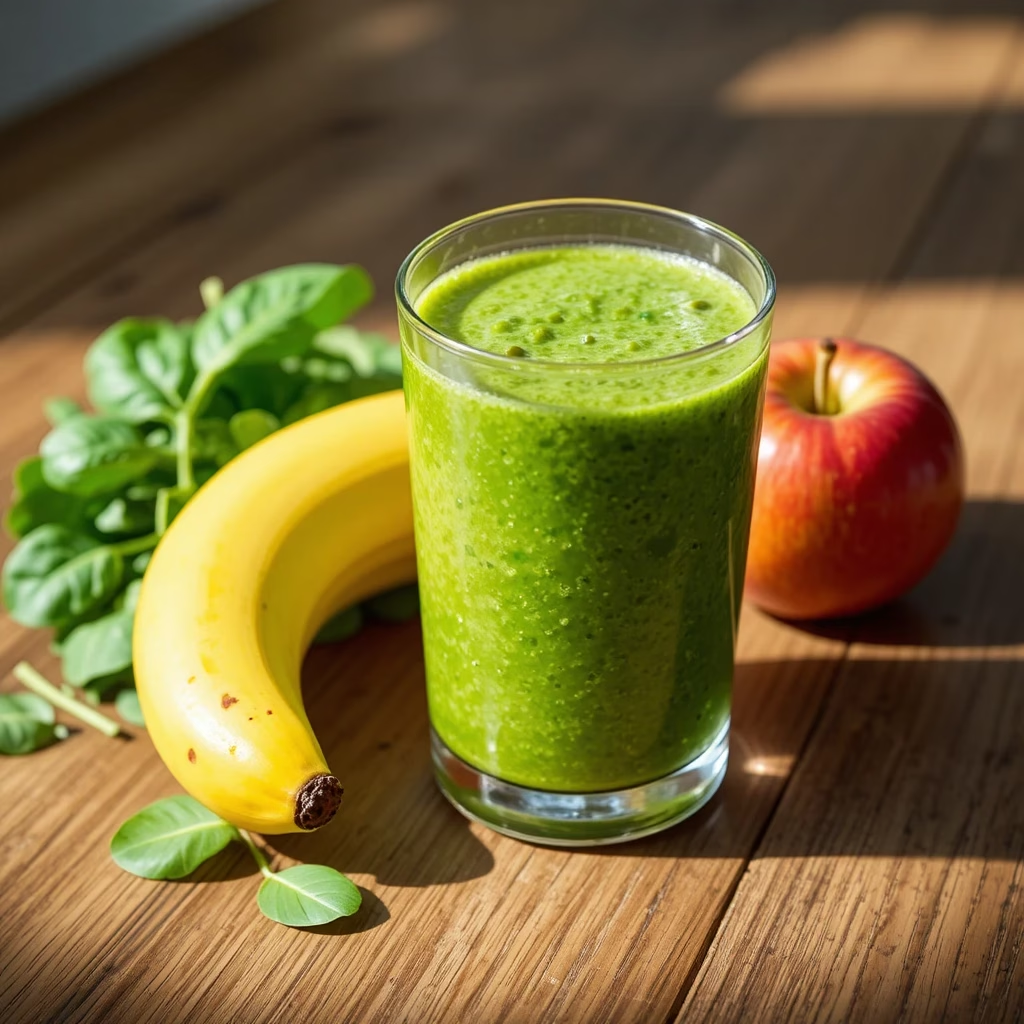
Add natural sweetness from bananas, apples, or berries.
Use cinnamon or vanilla extract instead of sugar — they enhance flavor naturally.
Pro tip: Cinnamon helps regulate blood sugar and reduces sweet cravings.
Day 3: Taming Afternoon Cravings
This is when many people relapse — mid-afternoon energy crashes.
Action Steps:
Eat balanced meals with protein, fiber, and healthy fats to prevent sugar dips.
Snack on nuts, boiled eggs, or veggie sticks with hummus.
Stay hydrated — sometimes thirst feels like hunger.
Take a short walk or stretch break when a craving hits. Movement resets your focus.
Pro tip: Keep a list of go-to sugar-free snacks to avoid impulse eating.
Day 4: Mindful Eating and Emotional Awareness
Sugar cravings are often emotional, not physical.
Action Steps:
Notice when you crave sweets — is it boredom, stress, or fatigue?
Replace sugar rewards with non-food rewards (reading, music, self-care).
Practice mindfulness before eating — take 3 deep breaths and check if you’re truly hungry.
Keep a food journal to track emotions and triggers.
Pro tip: The more you observe your cravings, the less power they have over you.
Day 5: Natural Sweeteners and Substitutions
Now that you’ve adjusted, it’s time to learn smart swaps.
Action Steps:
Replace sugar with stevia, monk fruit, or raw honey (in moderation).
Bake with mashed banana or unsweetened applesauce.
Make your own snacks — sugar-free granola, energy balls, or fruit bars.
Avoid artificial sweeteners — they may trick your brain into craving more sugar.
Pro tip: Focus on flavor, not sweetness — herbs, spices, and citrus can make any dish satisfying.
Day 6: Cooking Clean and Simple
Cooking at home gives you control.
Action Steps:
Prepare simple meals using whole foods — vegetables, lean protein, and whole grains.
Avoid store-bought sauces or marinades with added sugars.
Try sugar-free beverages: infused water with mint, lemon, or cucumber.
Enjoy naturally sweet foods — roasted carrots, baked apples, or berries.
Pro tip: Once your taste buds reset, you’ll be amazed at how sweet natural foods taste.
Day 7: Reflect and Recommit
You made it — seven sugar-free days!
Action Steps:
Reflect on how your body feels — lighter, clearer, calmer?
Note improvements in sleep, focus, or digestion.
Set long-term goals: limit sugar to weekends, or 80/20 moderation.
Reward yourself — not with dessert, but with self-care or something meaningful.
Pro tip: Don’t view this as an ending — it’s the beginning of a more mindful, balanced relationship with food.
Benefits of Going Sugar-Free
More stable energy throughout the day
Improved focus and mood
Clearer skin and reduced bloating
Better sleep quality
Fewer cravings and improved portion control
Conclusion
After seven sugar-free days, you’ll not only feel different — you’ll think differently.
You’ll start to taste food more vividly, crave less, and realize that real energy doesn’t come from sugar — it comes from balance.
This challenge isn’t about perfection; it’s about awareness and self-control. Every time you choose real food over processed sweetness, you’re choosing clarity, strength, and vitality.
So keep going — your body will thank you for every sugar-free decision you make.
Small changes, repeated daily, lead to big transformations.
Welcome to your new, energized, naturally balanced life!